Transforming Allergy Care: The First National Allergy Capability Framework is launched

The British Society for Allergy & Clinical Immunology (BSACI) has launched the National Allergy Capability Framework (ACF), a landmark initiative designed to establish a clear national standard for allergy knowledge, skills and capabilities across the workforce caring for people with allergic disease.

Developed by the BSACI Allergy Education Network (BAEN) as part of the National Allergy Strategy, the framework responds to longstanding concerns about the mismatch between the growing burden of allergic disease and the availability of allergy education and training. The ACF provides, for the first time, a comprehensive guide to the capabilities required by both healthcare and non-healthcare professionals involved in supporting people living with allergy.

Allergic diseases such as asthma, food allergy, anaphylaxis, rhinitis and eczema affect millions of people across the UK and can have a significant impact on health, wellbeing and quality of life. Previous reports have identified considerable variation in allergy training and limited access to specialist expertise, creating challenges for both patients and professionals. The National Allergy Capability Framework has been developed to help address these gaps by defining clear expectations for knowledge and skills across all levels of care.

The framework is designed for anyone who works with or cares for people with allergy, including doctors, nurses, pharmacists, allied health professionals, dietitians, school staff, social care workers, sports coaches, youth leaders and first aiders.

Central to the framework is a five-tier structure that reflects increasing levels of responsibility and expertise, ranging from basic allergy awareness and signposting through to advanced specialist management of complex and drug allergy. The tiers are based on an individual’s role and scope of practice rather than professional title, ensuring the framework is relevant across a wide range of settings and professions.

President of the BSACI Dr Robin Gore states. “The National Allergy Capability Framework represents a major milestone in advancing allergy education in the UK. By setting clear, nationally recognised capabilities, we aim to support those across health, education and community settings to develop the knowledge and skills needed to deliver safe, effective and high-quality allergy care. Ultimately, this is about improving outcomes and quality of life for people living with allergic disease.”

The framework outlines ten core capability areas, including allergy awareness, diagnosis, management, patient support, emergency care, leadership and education. It is intended to support individual learning and professional development, while also helping employers, NHS organisations and Integrated Care Systems assess workforce capability and plan training needs.

The launch of the ACF also lays the foundation for BSACI Learn Allergy, a new education platform that will provide structured learning resources aligned to the framework’s capabilities and tiers. Initial resources will be free and are planned to support Tier 3 practitioners, with additional content to follow. The launch of this will be in spring 2027. 

As the UK’s leading professional society for healthcare professionals caring for people with allergy, BSACI believes the framework will play a pivotal role in developing a more confident, capable and connected workforce, ensuring that people living with allergic disease receive safe, consistent and high-quality care, regardless of where they access services.

Ends

For further information, please contact:
fiona@bsaci.org

BSACI would be delighted to contribute editorial content or present the Allergy Capabilities Framework at face-to-face conferences or online events. If you would be interested in working with us, please do get in touch.

To access the Framework click here

BSACI National Education Strategy link here  
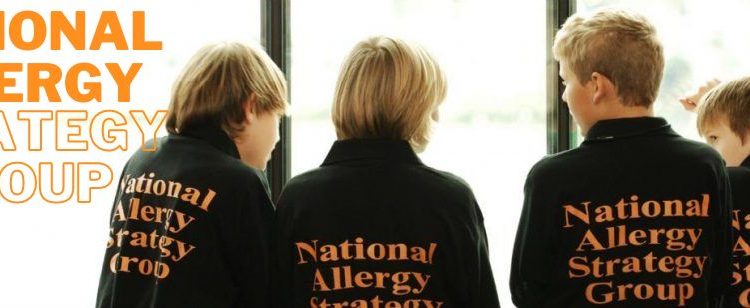
Historic Commons announcement puts children’s allergy safety on a legal footing

The National Allergy Strategy Group (NASG) welcomes last night’s House of Commons debate, in which the Parliamentary Under-Secretary of State for Education, Olivia Bailey, announced that the Government will put Benedict’s law on the statute book through its own amendment to the Children’s Wellbeing and Schools Bill. This will require schools to have and publish an allergy safety policy, and to give powers to the Secretary of State to make regulations relating to allergy safety.

This is a landmark moment for children/young people and their families living with serious allergies across the UK. The decision to move from non‑binding guidance to clear legal requirements will help prevent avoidable, life‑threatening reactions and give families greater confidence that their children are safe at school.

For years, clinicians, patient charities and families have highlighted the inconsistency of allergy provision in schools. While some schools have excellent systems in place, others lack basic measures such as staff training or access to emergency adrenaline to treat anaphylaxis. The Government has now recognised that a child’s safety should not depend on their postcode, or on how proactive an individual teacher happens to be.

Benedict’s Law asks for every school to have spare adrenaline devices to treat anaphylaxis emergencies, allergy-trained staff and a practical, whole-school policy to help keep pupils with allergies safe. The Government has now committed to legislation to ensure this happens, and is a tribute to the campaign by Helen and Peter Blythe after their son Benedict died from anaphylaxis in December 2021 – just one of the many deaths in the last 20 years from allergy that could have been avoided.

Professor Paul Turner, Professor of Anaphylaxis at Imperial College London, speaking on behalf of the National Allergy Strategy Group (NASG), said:


“Last night’s announcement marks a turning point for children with serious allergies and their families. Statutory guidance alone is not enough. With the upcoming amended, these safeguards will be legally enforceable and help ensure government funding so that schools can deliver them consistently. Every child will be equally protected, and every school properly supported.”


Helen Blythe, of the Benedict Blythe Foundation, commented:


“This is the first primary legislation in the UK focussed on allergy and signifies how those in Government are now taking allergy seriously. Knowing that schools will be legally required to have proper allergy policies, staff training and emergency medication gives us hope that Benedict’s legacy will be safer classrooms across the country. I said before: Benedict’s life mattered. His death must matter too. Now it will, with all children living with allergy being safer in school.”
NASG members, which include the 3 major national allergy charities together with the British Society for Allergy & Clinical Immunology, have been campaigning on school allergy safety for decades, and the current campaign is a key part of the overall National Allergy Strategy, which will be launched on 20th April 2026.


The NASG look forward to seeing the text of the proposed amendment, with confirmation from the Government of sufficient funding and resources so schools can meet their new duties without diverting support from other vulnerable pupils.


With the addition of Helen and Peter Blythe’s voices since Benedict’s tragic death, we have been able to work collaboratively, which has made us stronger than ever. The result is something the whole allergy community can celebrate together. We truly appreciate the government’s willingness to listen, and we look forward to seeing more change across health and other sectors to continue our mission to improve policy for those who suffer with allergy.


For further information please contact:

Pauline Kent of Satellite Health:

01603 978030 or email
pauline@satellite-health.com

University beckons but are allergy sufferers at a disadvantage?

A-level results day has come and gone – a time of anticipation and excitement for both students and parents as a new chapter awaits. Over 820,000* young people recently collected their A-level results and many will go on to their university of choice. However, for the estimated 61,000* university-age students who live with one or more allergies, their exam results are only half of their concerns.

“Places of education are home to a greater number of allergy sufferers than ever before,” says Professor Adam Fox from the National Allergy Strategy Group, an alliance of professional allergy voices from the British Society for Allergy and Clinical Immunology, Allergy UK, Anaphylaxis UK and the Natasha Allergy Research Foundation. “Our mission is to raise awareness of allergy and to come together as a united front to tackle allergy together with hundreds of experts across the UK. It is vital that students know they are safe and supported as they navigate both their allergy and their education”.

For students like Poppy Wintrip, 18, from Cornwall, the NASG mission couldn’t be more vital. Poppy was first diagnosed with food allergy at the age of 3 months old. She now lives with multiple severe food allergies. Her journey through education has been one of anxiety and isolation. “Going back into secondary school after lockdown was very difficult. I was very frightened. I wouldn’t eat very much because I feared I was going to have a reaction and there was no support from the school”.

Poppy’s mum, Rachael, continues, “I had to make all of the effort with the primary school. In fact, I taught every member of staff adrenaline auto-injector training because even with the school nurses it wasn’t in their remit at all. I’m a nurse so I had the advantage of the knowledge and the confidence to be able to do it but not everyone does”.

Poppy feels the psychological impact of allergy is not taken seriously enough. She says, “It only got recognised as an issue when I stopped eating and started losing weight and it became more of a physical issue. I would be up every single night having anxiety attacks because I thought something would happen in my sleep. The anxiety stemmed from the isolation and the fear that everyday things that most people eat pose a life threatening risk to me”.

“Allergy amongst young people and students is at an all-time high but there are significant gaps in providing the support they deserve including psychological support”, continues Professor Fox.

Dr Claudia Gore, a Consultant in Paediatric Allergy at Imperial College Healthcare NHS Trust, London also thinks that students like Poppy need support during the transition to adult allergy healthcare services and with their move into higher education or the workplace. “At Poppy’s age, life is full of different transitions, from school to university or work, from home to living independently, new peers, having to manage health,
finance and life independently”, says Dr Gore. “Additionally, they leave children’s services for adult care. At few other times in life do we have to deal with that many changes at once. Young people need to be prepared and to make sure that they ask the questions they need to ask and not be intimidated. Adult services tend to be more concise, with shorter appointment times focused on more in-depth detail. They have a right to be assessed for reasonable adjustments in education and need to be able to ask for this”.

A significant part of the NASG’s National Allergy Strategy will focus on education, including raising public awareness as well as producing targeted guidelines for schools and other educational departments to assist them in managing the healthcare needs of allergic students. Respiratory health research and evidence-based data will be used as a strong foundation to influence future policy around allergy in education as well as highlighting areas of research that need particular focus.

“It is clear that one of the biggest needs for students living with allergy and their parents
is to feel heard and to know their allergy is taken seriously”, continues Professor Fox. “The National Allergy Strategy includes a number of objectives around improving safety for people with allergy in schools and higher education as well as supporting highly targeted education and awareness programmes. This aims to make a real difference to the lives of students in the UK living with allergy”.

Poppy’s mum, Rachael, says, “We’re delighted Poppy has got into the Guildford School of Acting but there’s so much more for Poppy to consider than if she didn’t have allergies. It’s a time of excitement but also of concern.”

For further information please contact:
Satellite Health : 01603 978030
pauline@satellite-health.com or alicia@satellite-health.com

“No child should be at risk of dying at school from an allergic reaction.”

This week, the National Allergy Strategy Group (NASG) and the Benedict Blythe Foundation have published a powerful Position Paper calling for urgent action to protect children with allergies in UK schools, following the inquest into the death of 5-year-old Benedict Blythe, who tragically died after collapsing from anaphylaxis at school.

Benedict’s story is not an isolated case—it is a devastating reminder of the gaps in allergy safeguarding across our education system.

In response, the NASG has worked with leading clinicians and patient organisations to outline seven urgent recommendations—including the introduction of ‘Benedict’s Law’, which would:

  • Require mandatory allergy training for all school staff
  • Mandate spare adrenaline auto-injectors (AAIs) in every school
  • Ensure every school has a clear, enforceable allergy policy

Together with the All-Party Parliamentary Group for Allergy, the NASG has also submitted a joint letter to the Education and Health Select Committees, calling for a full and immediate review of allergy safety in schools.

In parallel, members of the group held an urgent meeting with the Department for Education this week to present their concerns directly and press for meaningful, immediate reform.

Education is a key part of a comprehensive National Allergy Strategy currently in development—led by clinicians, charities and policy stakeholders. While that long-term strategy will launch in 2026, key recommendations have been pulled forward now, recognising the urgent risk to children today.

Schools must be safe.
Action must be swift.
Benedict’s death must be the last.

Let’s not wait for another tragedy to act. We urge policymakers, educators and the public to stand with us and demand change.

#BenedictBlythe #MakeSchoolsSafe #BenedictsLaw #AllergyInSchools #PatientSafety #NationalAllergyStrategy #APPGAllergy #DfE #NASG #SchoolSafety #AnaphylaxisAwareness

Professor Adam Fox Awarded OBE in King’s Birthday Honours for Services to Paediatric Allergy

Professor Adam Fox, Chair of the National Allergy Strategy Group (NASG), has been awarded an Officer of the Order of the British Empire (OBE) in the King’s Birthday Honours List. This prestigious recognition celebrates his outstanding contributions to paediatric allergy including clinical leadership, patient advocacy, research and education.

A leading voice in the field, Professor Fox has played a pivotal role in shaping allergy services in the UK. Since 2022, he has chaired the NASG—a coalition of The British Society for Allergy & Clinical Immunology (BSACI), Allergy UK, Anaphylaxis UK and the Natasha Allergy Research Foundation—working to improve NHS allergy services nationwide.

Under his leadership, the NASG is developing a landmark 10-year National Allergy Strategy. This ambitious initiative, the largest of its kind in the UK, brings together hundreds of experts, patients and families to establish clear objectives aimed at enhancing health outcomes and quality of life for people living with allergies.

Dr Robin Gore, President of BSACI, commented: “Allergies affect millions of people across the UK, impacting on both quality of life and the healthcare system. Yet, despite this, allergy services remain inconsistent. Few have done more to highlight this need than Professor Fox. We are therefore delighted that his enormous contributions have been formally recognised”.

Professor Fox studied Medicine and Neuroscience at Cambridge University and completed his clinical training at University College London. He then went on to specialise in Paediatric Allergy and was a founding consultant of the now-renowned allergy service at St Thomas’ Hospital—one of the largest in Europe.

His OBE adds to a long list of accolades, including:

  • Paediatric Allergist of the Year – (Allergy UK, 2007)
  • Raymond Horton Smith prize for the best thesis presented for MD degree during the academical year (Cambridge University, 2012)
  • The Times 100 Best Children’s Doctors (2012)
  • William Frankland Award for Outstanding Contribution to Allergy (BSACI, 2015)
  • National Clinical Excellence Awards (Department of Health, 2016 & 2020)
  • BSACI Fellows Award (2024), becoming only the second recipient in history

Professor Fox said “It’s a huge honour to receive this recognition. In truth, it reflects the huge progress that has been made in our speciality over the past few decades and the credit for this is owed to a great many dedicated clinicians, researchers, educators and patient advocates. It has been my privilege to work in many teams over the years who have contributed so much to this progress, and the BSACI and NASG have been a huge part of this. I also hope it can raise awareness of how much more we still have to do, to help improve the lives of the many people who live with allergic disease”.

Dr Gore said, “This honour not only recognises Professor Fox’s personal and professional achievements but also shines a spotlight on the cause we champion: the urgent need for improved allergy care across the UK”.

– End –

Editor’s notes:

For further information please contact:

Pauline Kent of Satellite Health: 01603 978030 or email pauline@satellite-health.com

Share Your Voice and Expertise in the Development of a UK National Allergy Strategy

In October 2021, the National Allergy Strategy Group (NASG) and the All-Party Parliamentary Group for Allergy published the “Meeting the Challenges of the National Allergy Crisis” report which included a recommendation for a national plan for allergy. 

Since its publication, the NASG has worked closely with the Department of Health and Social Care, and, with ministerial approval, developed an expert group to inform policymaking around allergy. The Expert Advisory Group for Allergy was established in December 2023. 

As a part of this collaboration, the National Allergy Strategy Group is now taking steps forward to produce a UK National Allergy Strategy 2025-2035, outlining the key objectives and priority projects needed to improve health outcomes and other unmet needs of the allergic community across the UK.  This strategy will inform future advocacy and service development discussions across a range of specific areas covering: 

  • Political Advocacy & Policy Advice  
  • Patient Pathways & Standards of Care  
  • Clinical Workforce Education & Training in Allergy  
  • Managing the Allergy Healthcare Needs of Pupils  
  • Safe Allergen Management Procedures – Food Retail, Catering & Travel  
  • Respiratory Health: Indoor Air Quality & Outdoor Air Quality  
  • Evidence-based Data Metrics & Research Priorities  
  • Public Awareness Campaign & Communication Strategy for the UK National Allergy Strategy.

Developing the UK National Allergy Strategy – How to Get Involved

The approach to the development of the strategy seeks to be as inclusive as possible so that all stakeholders have a voice, feel listened to and heard, and have an opportunity to get involved, whilst ensuring we engage leaders in the field with the relevant expertise and commitment. Consultation is an important part of developing this strategy and we want to ensure it is accurate, evidence-based, and relevant to the daily lives of all who live with allergy in the UK. 

The following documents highlight the process we are following to develop the strategy and how you can get involved and share your voice, or bring your expertise and experience to collaborate and support the National Allergy Strategy Group to achieve this UK National Allergy Strategy.

Please do read the following documents, including the associated Terms of Reference.

Download ↗

Strategic Approach to the UK National Allergy Strategy

Download ↗

Developing the UK National Allergy Strategy – How to Get Involved

Download ↗

NAS Terms of Reference All Groups

Share Your Voice – consultation survey

We believe it is essential that all stakeholders across the UK allergic community have an opportunity to contribute and get involved in sharing their voices in the development of the strategy so that it is relevant to the daily lives of all who live with allergy in the UK. 

We invite you to complete the Share Your Voice survey and tell us about the priorities that you feel should be included in a UK National Allergy Strategy.  

Share Your Expertise in the Development of the UK National Allergy Strategy

Expressions of Interest to be a Consultee  

The National Allergy Strategy Group is inviting expressions of interest from experts to participate in the development of the UK National Allergy Strategy as consultees because of the expertise and knowledge that they can bring to the specific areas of focus.   

We want to involve as many experts as possible and have proposed ways in which you can share your voice, thoughts, and expertise in the consultation.  

Please read the documents provided on how to get involved and the Terms of Reference before completing your expression of interest survey. 

Thank you for sharing your voice and for your expressions of interest in being involved in the UK National Allergy Strategy.  Together we aim to achieve a UK National Allergy Strategy 2025-2035 so we can improve health outcomes and other unmet needs of the allergic community across the UK. 

Stakeholder Membership

When the Terms of Reference for NASG were updated early in 2023, provision was made for stakeholder membership. Stakeholder members will be offered the chance to be involved in the development of the National Allergy Strategy and can include any organization with an interest in there area, subject to certain requirements. Stakeholder members are currently being invited but if this is of interest to your organisation, please contact us on chair@nasguk.org